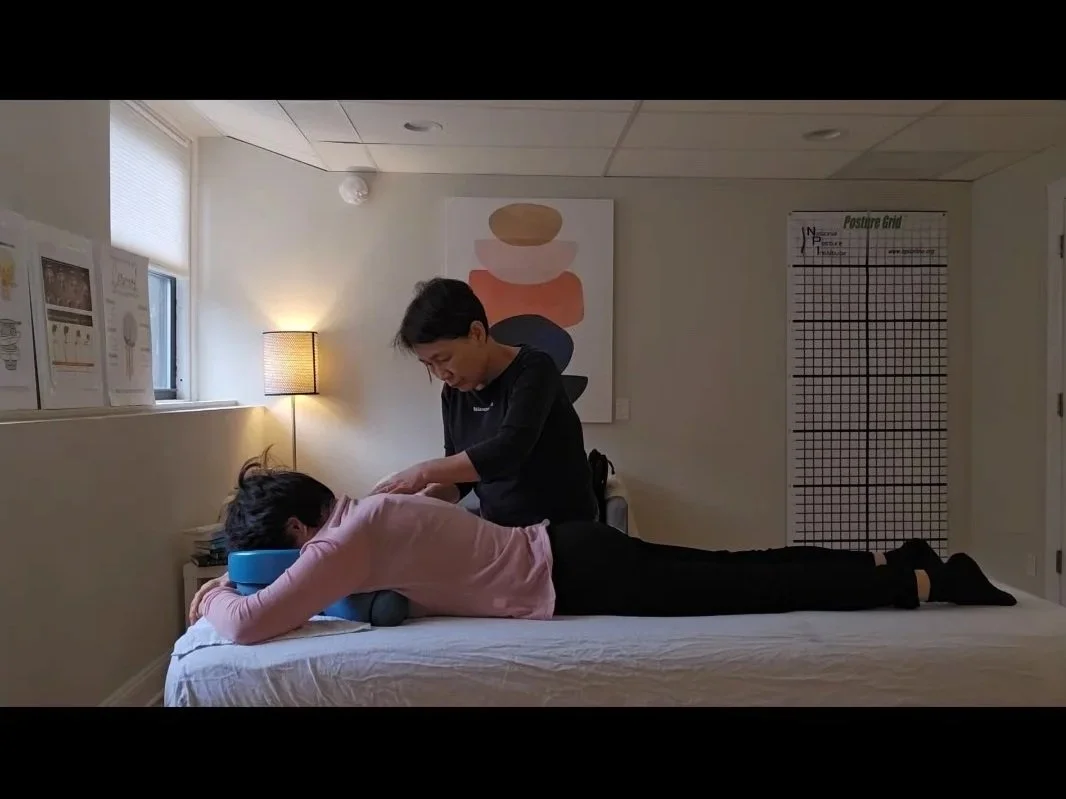
A Personalized Structural Approach to Healing
Pain is rarely random. It is often shaped by years of work habits, injuries, stress, food patterns, and structural imbalance. At Balance Posture & Bodywork, I begin with consultation, create a plan based on your condition, restore imbalance and tension through Jongboo Therapy and supportive tools, and reinforce the work through home care, movement, and food. This is not temporary relief. It is personalized structural restoration.
Consultation — Understanding What Created the Imbalance
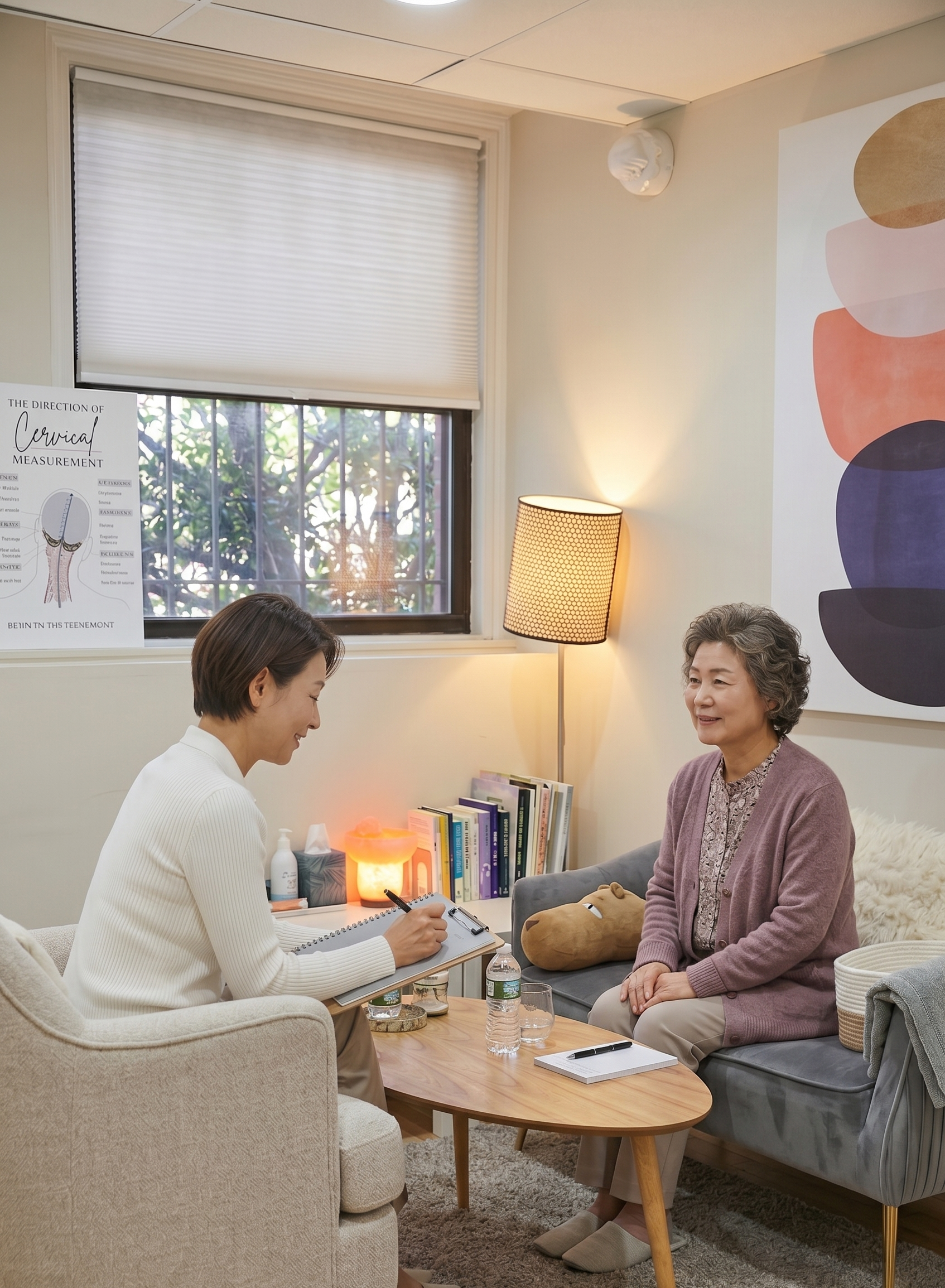
Before I begin hands-on work, I look at the bigger picture.
We discuss the factors that may have shaped your body over time — including your past work, lifestyle habits, surgeries, medications, excessive exercise, accidents, physical injuries, and food habits. These are often major reasons the body becomes imbalanced, tense, and structurally stressed.
This step matters because lasting results do not come from chasing symptoms alone. They come from understanding what created them.
2. Planning — Deciding the Right Order, Timing, and Focus
Not every body needs the same sequence.
Not every session should follow the same timing.
Based on your condition, I determine where to begin, how to divide the time, what to prioritize, and how to plan the work moving forward. Some bodies need more release first. Some need stabilization. Some need a slower progression.
This is why my work is not just a service — it is a strategy.
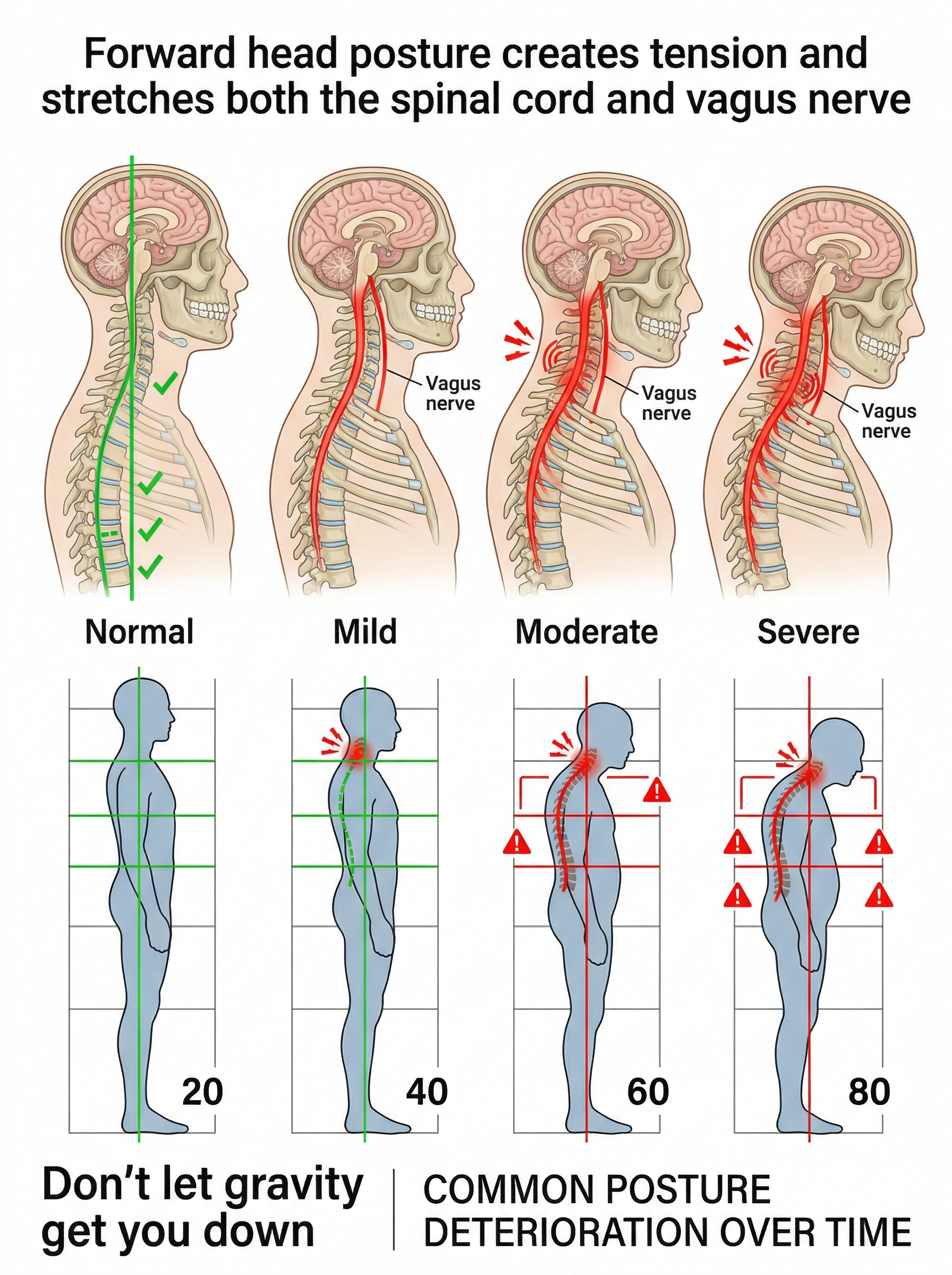
3.Structural Restoration — Restore the Body Through the Principles of Balance
To restore structure, I first look for the areas of imbalance and tension that are pulling the body out of proper alignment. In my therapy, the balance of the neck and pelvis is always a major priority, because they are two of the most important foundations of the body’s overall framework.
Using the principles of balance, I identify what is tight, restricted, overworked, or compensating — and I work to restore those areas so the structure can begin to reorganize. When the pelvis is released thoroughly, joint by joint, it often has a natural tendency to return toward a better position on its own.
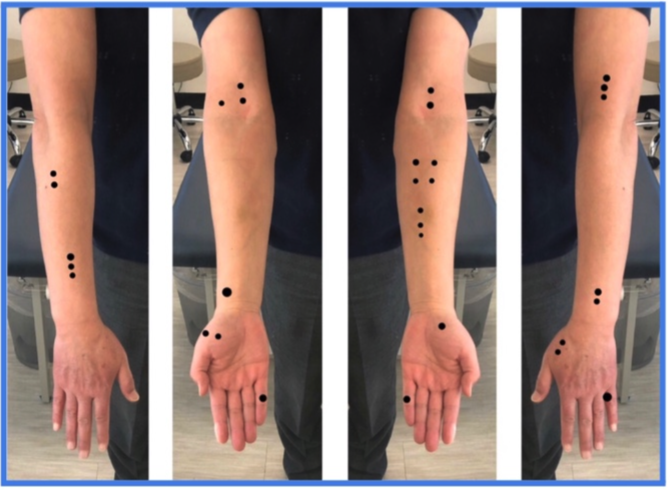
For this work, I use Jongboo Therapy as a key part of my method. The goal is not temporary relief alone, but meaningful structural restoration that supports better posture, movement, and function.
4. Supportive Tools — The Right Tools for the Right Condition
When needed, I also use supportive tools to help the body respond more effectively.
These may include Rapid Release, G-Stretch Aid, rolling tools, and other corrective tools, depending on your condition. These tools are not the treatment by themselves — they are used strategically to support release, improve mobility, and help restore balance in the structure.
The tools serve the method.
The method serves the body.
5. Home Care — Reinforce the Work at Home
Healing does not happen only during the session.
What you do at home plays a major role in how well your body holds the changes we create together. That is why I often recommend personalized home care based on your condition.
This may include:
Tools to continue release and support mobility at home
Exercises or corrective movement to reinforce better balance and posture
Food guidance to remove what is harming the body and restore what it has been missing
Home care is not extra. It is part of the method.
This is how we help the body hold correction longer, recover more efficiently, and build better function over time.

Why This Method Is Different
Many treatments focus only on where the pain is felt.
My method looks deeper — at what created the imbalance, what is maintaining it, and what the body needs in order to change. That is why each session begins with listening, moves with intention, and continues beyond the treatment room through home care and daily support.
This is not just temporary relief.
It is a personalized structural approach to restoration.
Posture Correction
Fix the Pattern, Not Just the Pain
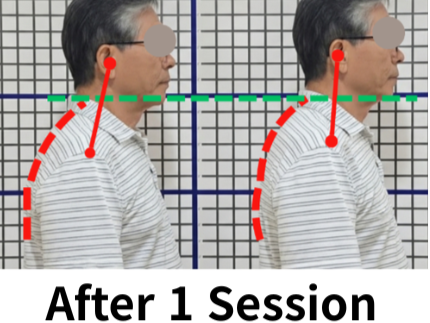
Forward head posture, rounded shoulders, and spinal imbalance don’t fix themselves.
This method combines hands-on correction with posture retraining
to restore how your body naturally holds itself.
Best for:
Forward head posture
Rounded shoulders
Desk-related posture issues
Pain Relief Therapy
Find the Cause. Eliminate the Pain.
Pain is a signal — not the problem.
This method focuses on identifying and correcting the root cause of chronic pain,
whether it’s coming from posture, movement, or structural imbalance.
Best for:
Chronic neck pain
Back pain
Shoulder tension
Therapeutic Movement
Train the Body to Stay Aligned
Correction without reinforcement doesn’t last.
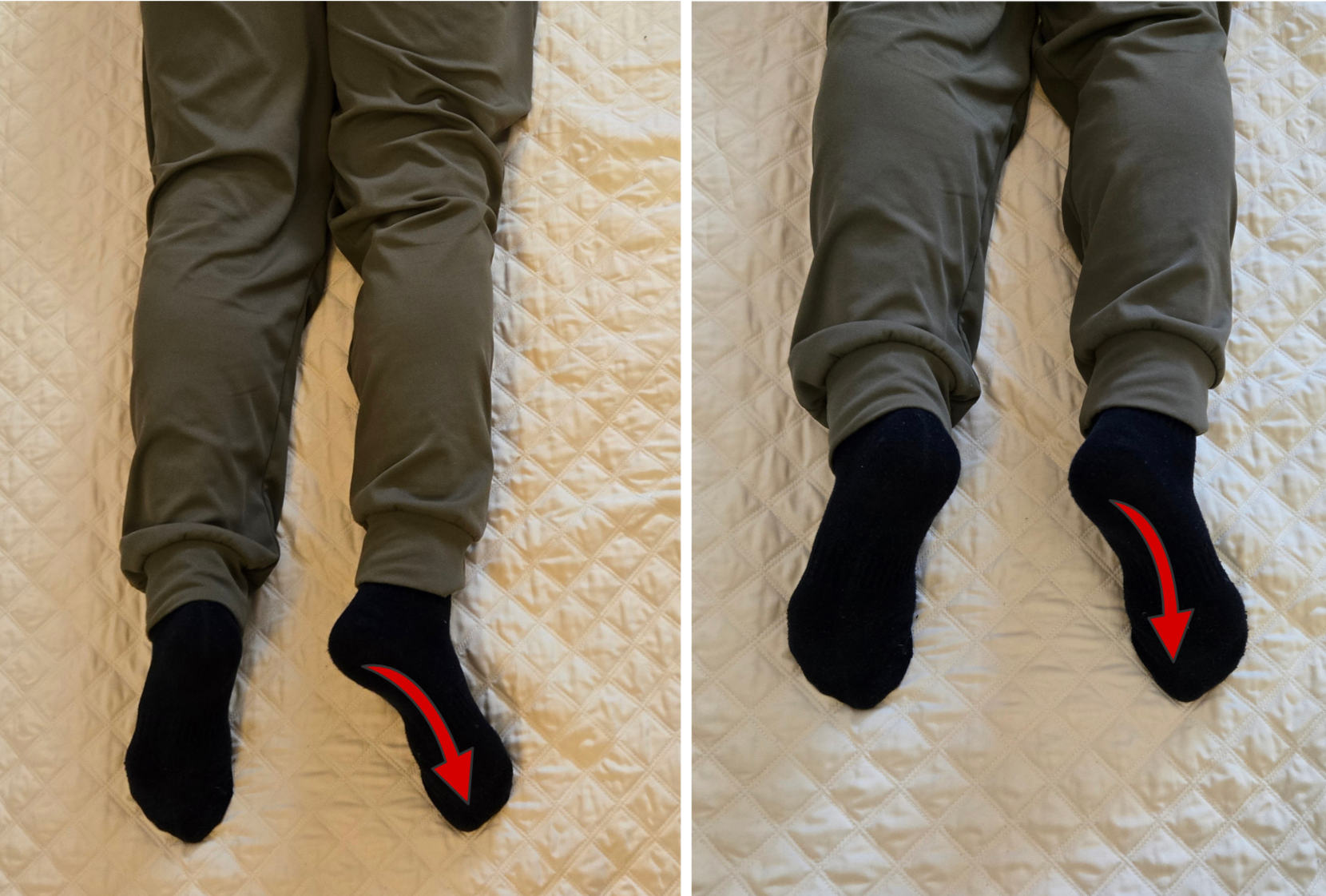
Therapeutic movement retrains how your body moves,
so the results from therapy are maintained long-term.
Best for:
Posture maintenance
Injury prevention
Strength + mobility balance
Why These Methods Work TogetherReal Change Happens as a System
Each method is powerful on its own.
But real transformation happens when they work together.
Bodywork releases restriction
Posture correction restores alignment
Movement reinforces the change
This is how temporary relief becomes permanent results.